Advantages of Bio-degradable Products
Our blogs
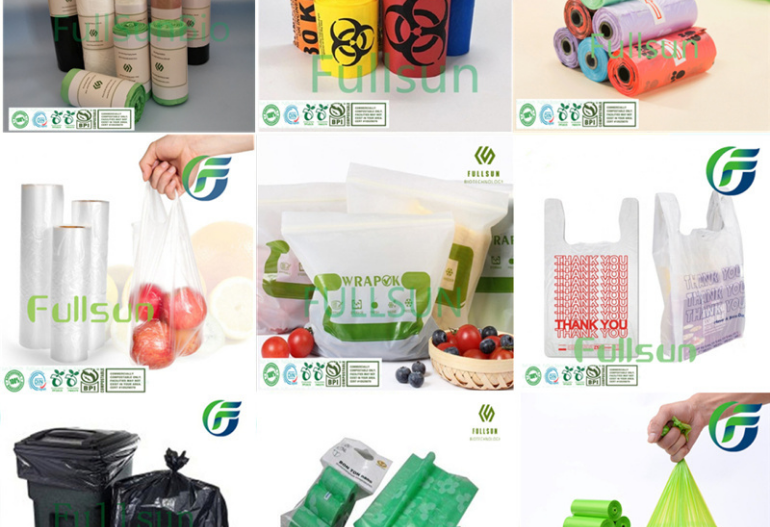
Advantages of Bio-degradable Products
What Does Biodegradable Mean?
The strict definition of a biodegradable material according to the Cambridge Dictionary is a substance or object that is ‘able to decay naturally and in a way that is not harmful.’
In other words, if something is biodegradable, then eventually it will break down into smaller pieces by microorganisms such as bacteria or fungi.
It can be a little confusing though since there is no time limit on how long it must take before a biodegradable material needs to break down by. That is the main difference between compostable and biodegradable plastics. And an important consideration to take into account when choosing biodegradable bags for your business.
ADVANTAGES OF BIODEGRADABLE PRODUCTS
- Biodegradable plastics take less time to break down
Biodegradable product and biodegradable bags take much less time to break down after being discarded, if they haven’t been recycled, of course.
- Biodegradable product are renewable
Biodegradable plastics are made from biomass, which is a completely renewable resource.
- Biodegradable product are good for the environment
Biodegradable product are much better for the environment, because there is no harm done to the earth when recovering fossil fuels.
- Biodegradable product require less energy to produce
Biodegradable product need less than half the energy to produce than their non-biodegradable counterparts.
- Biodegradable product are easier to recycle
Biodegradable plastics are created from materials that are fully biodegradable. This means that they can break down much faster and recycling them takes less energy.
- Biodegradable product are not toxic
Traditional plastics are full of harmful by-products and chemicals, which are released during their breakdown process. Biodegradable product are completely safe and do not have any chemicals or toxins.
- Biodegradable product reduce dependence on foreign oil
The use of biodegradable product will decrease the country’s dependence on other countries for fossil fuels
Conclusion:
So as demonstrated, there are many benefits of using biodegradable products. They are safe for the environment and their use should be encouraged. However, the need for plastic usage awareness and education regarding their repurposing is necessary as wise use can make a difference.